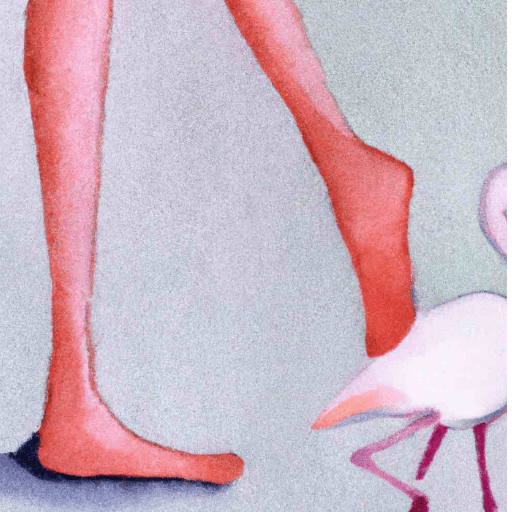
When your nervous system seems to have rewritten the rules.
Complex Regional Pain Syndrome (CRPS) is a chronic pain condition that usually develops after an injury, surgery, or another physical event. Sometimes the original injury seems relatively minor. Yet the pain and other symptoms that follow can be anything but minor.
CRPS most commonly affects an arm or leg, although symptoms can sometimes spread beyond the original affected area.
And despite its name, CRPS involves much more than pain.
A limb may become unusually hot or cold, change color, swell, or become extremely sensitive to touch. Muscles may stiffen, movement may become difficult, and ordinary sensations — such as clothing brushing against the skin or a gentle breeze — can suddenly become painful.
For someone unfamiliar with CRPS, these reactions can be difficult to understand. For someone living with it, they can turn the simplest daily activities into unexpected challenges.
So what’s happening, and why does the body respond this way?
When Pain Becomes The Problem…
Pain normally serves an important purpose. It’s part of the body’s warning system, alerting us to actual or potential harm.
Touch a hot surface, for example, and your nervous system quickly sends signals that help you pull your hand away.
Usually, as an injury heals, the associated pain gradually improves.
But with CRPS, something different happens.
The systems responsible for processing pain and regulating the body’s responses become disrupted. Pain may persist long after the original injury should have healed, and the nervous system can become unusually sensitive to stimulation.
Researchers believe CRPS involves several interacting processes, including changes in peripheral nerves, the spinal cord and brain, inflammation, and the regulation of blood flow and temperature. The precise mechanisms vary and are not yet fully understood.
The result can feel as though the body’s alarm system has become stuck on high alert.
Sensations that should be harmless may become painful, while already painful stimuli can produce an exaggerated response.
These two experiences have names:
Allodynia is pain caused by something that would not normally hurt, such as a light touch, clothing, or a gentle breeze.
Hyperalgesia is an unusually intense pain response to something that is normally painful, such as a pinprick or minor bump.
Both can be profoundly disruptive, particularly when everyday activities repeatedly expose someone to sensations their nervous system can no longer tolerate comfortably.
And importantly, CRPS pain is real. It is not imagined, exaggerated, or simply the result of negative thinking.
Understanding that is one of the first steps toward understanding CRPS itself.
When Pain Doesn’t Tell the Whole Story
One of the most confusing things about CRPS is learning that the intensity of pain doesn’t always reflect physical injury.
Normally, when something hurts terribly, we assume something must be terribly wrong. But with CRPS, the nervous system can produce an overwhelming pain response even when there is little or no tissue damage.
I remember dropping a plate in the kitchen. It landed far away from me, nowhere near my feet. Yet my body reacted as though the plate had landed directly on my foot.
Nothing had touched me, but the pain response was immediate and real.
Experiences like this can take time to understand. The nervous system isn’t simply responding to physical contact; it can also react strongly to sudden sounds, movement, and perceived threats.
The pain is real, even when the danger isn’t what it seems.
That doesn’t mean every new pain should be dismissed as CRPS. Injuries can still happen, and new or unusual symptoms deserve appropriate medical attention.
But understanding that pain and tissue damage aren’t always proportional can change how we interpret some of the bewildering experiences that come with CRPS.
CRPS Symptoms: More Than Pain
Although pain is the defining feature of Complex Regional Pain Syndrome, CRPS can affect much more than how a limb feels.
The condition involves changes in sensory processing, circulation, sweating, movement, and sometimes the skin, hair, and nails.
Symptoms vary from person to person and may fluctuate throughout the day. Not everyone experiences every symptom.
Changes in Sensation
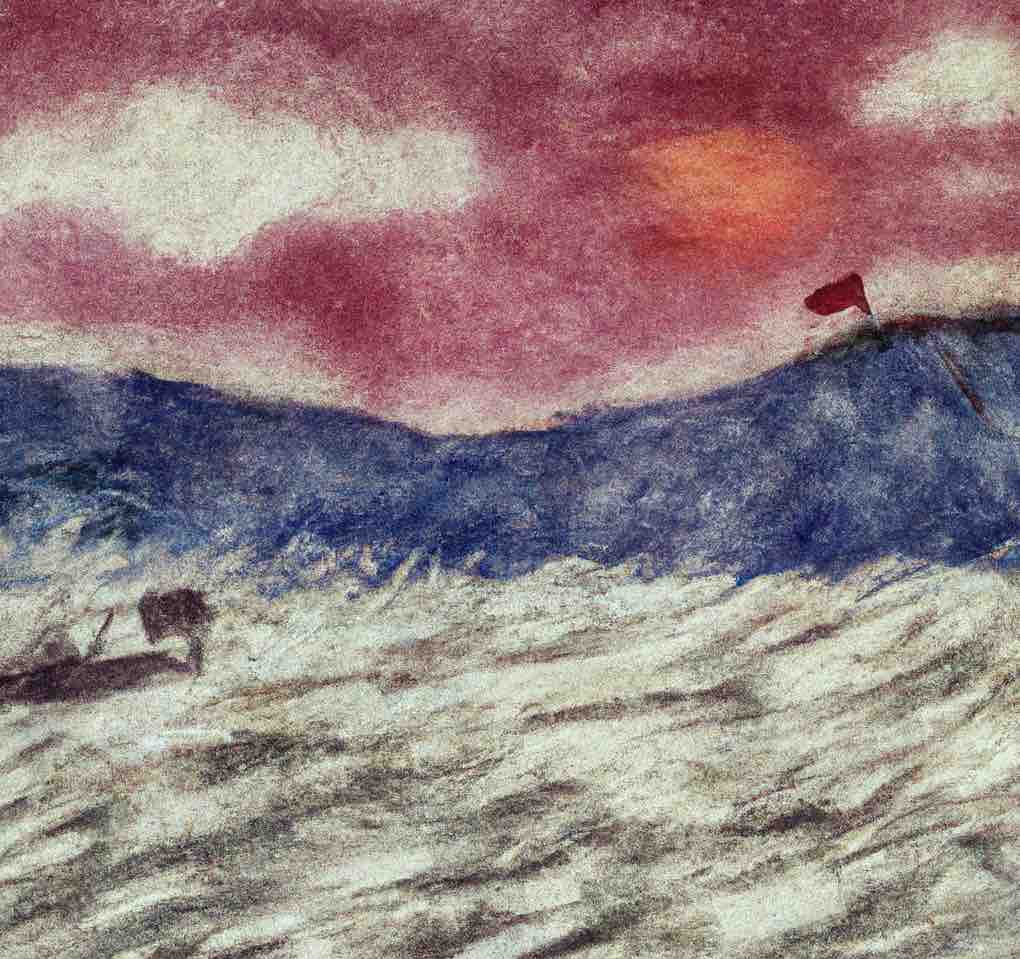
People with CRPS may experience burning, stabbing, shooting, or deep aching pain. Some describe sensations of freezing cold, electric shocks, or pain that seems to come from deep inside the bones.
Two particularly common sensory disturbances are:
- Allodynia: Pain caused by normally harmless sensations, such as clothing, a light touch, or a gentle breeze.
- Hyperalgesia: An exaggerated pain response to something that would ordinarily be painful.
Sensitivity may also involve temperature, pressure, movement, or vibration. Everyday activities such as getting dressed, showering, or traveling in a car can become unexpectedly difficult.
Changes in Color and Temperature
An affected limb may appear red, purple, pale, or mottled. It may feel noticeably warmer or colder than the opposite limb.
These changes are associated with disturbances in the regulation of blood flow and temperature.
Color and temperature can fluctuate, sometimes quite rapidly. A limb may feel hot during one period and unusually cold during another.
Swelling and Sweating
Swelling is another common feature of CRPS. It may be persistent or come and go.
Some people experience increased sweating in the affected area, while others notice reduced sweating or differences between limbs.
Movement and Muscle Changes
CRPS can make movement difficult for several reasons, including pain, stiffness, weakness, and altered motor control.
Some people experience tremors, muscle spasms, or involuntary contractions. In more severe cases, dystonia may cause sustained abnormal postures.
Reduced movement can also contribute to muscle weakness and loss of function over time.
Changes in Skin, Hair, and Nails
CRPS can affect tissue health and growth patterns.
Skin may become unusually shiny, thin, or dry. Hair and nail growth may change, and nails can become brittle or develop an altered appearance.
These changes are sometimes called trophic changes.
Symptoms Can Change
CRPS doesn’t always follow a predictable pattern.
A person may experience different symptoms at different times, and the intensity of pain doesn’t necessarily correspond to the number or visibility of other symptoms.
Some people have dramatic color changes or swelling. Others experience severe pain with relatively subtle outward signs.
The absence of obvious visible changes does not mean the pain is less real.
CRPS Type I and Type II: What’s the Difference?
Complex Regional Pain Syndrome is classified into two types, based on whether a specific nerve injury has been identified.
CRPS Type I develops without an identifiable injury to a specific nerve. It often follows a fracture, sprain, surgery, or another physical injury. This is the more commonly diagnosed form.
CRPS Type II develops following an identifiable nerve injury, which can sometimes be confirmed through tests such as an EMG. It was previously known as causalgia.
Both types can involve severe pain, allodynia, changes in skin color and temperature, swelling, and difficulties with movement.
The distinction doesn’t tell us how much pain someone experiences, how disabling their symptoms may become, or how well they will respond to treatment.
And importantly, Type I does not mean that the nervous system is unaffected. It simply means that a specific nerve injury has not been identified as the basis for classifying the condition.
For someone living with CRPS, the symptoms and their impact on everyday life are often more meaningful than the classification itself.
How Is CRPS Diagnosed?
Diagnosing CRPS often involves a process of exclusion. Doctors must consider and investigate other conditions that could explain the symptoms before reaching a diagnosis.
Diagnosis can be particularly challenging because not all symptoms and physical signs appear at once. Some develop over time, while others, such as swelling, temperature differences, or skin color changes, may come and go.
There is no single test that confirms CRPS. Diagnosis is based on medical history, symptoms, and clinical examination, using established diagnostic criteria known as the Budapest criteria.
For a closer look at this process, see our guide to How CRPS Is Diagnosed.
Understanding CRPS Is Just the Beginning
CRPS is diagnosed primarily through a clinical assessment of symptoms and physical signs. There is no single test that can definitively confirm it, and doctors may use additional investigations to rule out other conditions.
For a closer look at the diagnostic process, including the Budapest criteria, see our guide to How CRPS Is Diagnosed.
Treatment is equally individual. Rehabilitation, medications, psychological support, and other approaches may all play a role, depending on a person’s symptoms and circumstances.
You can explore these options in our CRPS Treatments section.
Living Beyond the Pain Scale
CRPS can change how we move, rest, work, and experience the world around us. Things that once seemed effortless may suddenly require planning, patience, and a little creativity.
But understanding the condition is a starting point.
Learning to recognize symptoms, communicate what we’re experiencing, find appropriate care, and adapt our surroundings can help us navigate life with CRPS.
It isn’t always about doing more. Sometimes it’s about finding a different way to do what matters.
And that’s what CRPSJourney is here to explore.
Because you are more than CRPS.